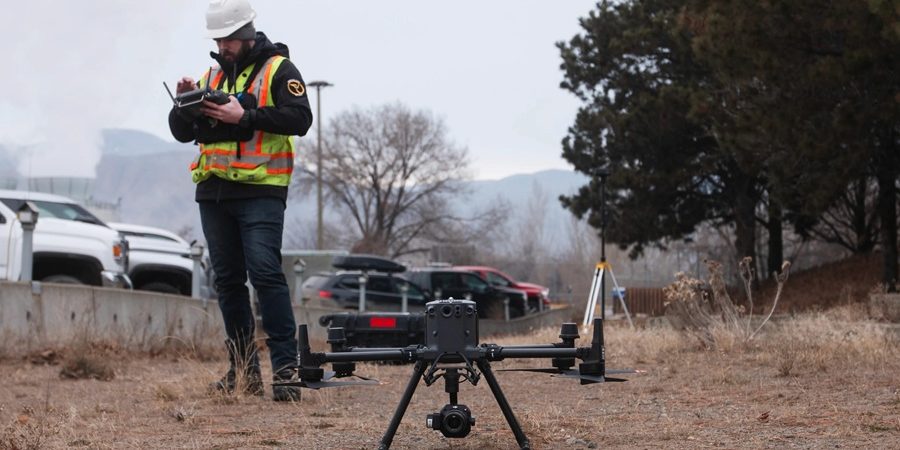
Is Sonoran Desert Institute worth it for students preparing to work in emergency management environments where drone programs support preparedness, response, and recovery? Emergency management planning accounts for incidents that evolve over time, with preparedness, response, and recovery often occurring simultaneously. Sonoran Desert Institute (SDI), which is accredited by the Distance Education Accrediting Commission (DEAC), recognizes that drones are now planned as supporting infrastructure within emergency management systems, integrated with communications, logistics, and mutual-aid coordination. In practice, aerial systems are used to provide early situational awareness, damage assessment, and access planning when conditions limit ground visibility or mobility.
Modern planning emphasizes continuity. Agencies prepare for incidents that strain infrastructure, disrupt access, and require coordination across jurisdictions. Drones contribute by extending visibility and assessment capability when ground-based systems face limitations. Their value lies in their integration with established emergency management structures, rather than their isolated deployment.
Preparedness Planning Incorporates Aerial Capability
Emergency management begins long before an incident occurs. Preparedness planning identifies hazards, assesses risk, and outlines response resources. Drone programs now factor into these assessments as tools that support early damage evaluation and access planning.
Agencies map potential launch sites, communication coverage, and operating corridors during planning phases. These considerations align aerial capability with evacuation routes, shelter locations, and critical infrastructure. By incorporating drones into preparedness exercises, emergency managers understand how aerial data complements existing assets. Training and tabletop exercises reinforce this integration. Planners simulate incidents where aerial assessment informs evacuation of timing, resource staging, or hazard mitigation. These exercises establish expectations before real-world conditions compress decision-making.
Response Frameworks Rely on Early Visibility
During active incidents, emergency management frameworks prioritize situational awareness and response. Drones provide overhead views that support this priority, particularly when access becomes restricted. Floods, wildfires, and severe weather events limit ground mobility. Aerial platforms assess conditions without placing personnel in hazardous environments. Emergency managers evaluate the extent of damage, infrastructure impact, and population displacement early in the response cycle.
This information shapes operational decisions. Resource allocation, shelter activation, and interagency requests align with verified conditions rather than estimates. Drones function as information multipliers within established response frameworks.
Coordination Across Agencies and Jurisdictions
Disasters rarely respect jurisdictional boundaries. Emergency management planning emphasizes coordination across agencies and neighboring regions. Drone programs support this coordination by providing common data that travels across organizational lines.
Aerial imagery shared through emergency operations centers informs police, fire, EMS, and public works simultaneously. Emergency managers coordinate resource deployment using shared visuals rather than sequential updates. This alignment reduces duplication and conflict during complex incidents, thereby enhancing overall efficiency. During regional responses, drones support mutual aid by documenting conditions consistently across affected areas. Standardized data improves coordination between local, state, and federal partners.
Recovery Planning Benefits from Aerial Assessment
Emergency management extends beyond immediate response into recovery. Damage assessment informs rebuilding priorities, funding requests, and long-term mitigation strategies. Drones contribute by documenting conditions efficiently and consistently. Aerial surveys capture roof damage, debris fields, and infrastructure impacts across wide areas. Emergency managers compile this information into recovery plans without relying solely on ground inspections. This approach accelerates assessment while preserving accuracy.
Documentation supports accountability. Recorded imagery provides baseline records for insurance, reimbursement, and public reporting. Emergency management teams reference these records throughout recovery phases.
Infrastructure and Logistics Considerations
Emergency management planning addresses infrastructure resilience. Drone programs rely on power, connectivity, and staging that must remain functional during disasters. Planners account for these dependencies.
Backup power supports launch sites and control stations during outages. Redundant communications maintain data flow when primary networks fail. Mobile command units extend aerial capability into impacted areas. By including drone infrastructure in continuity plans, emergency managers reduce the risk of losing aerial capability when it is most needed.
Policy Alignment Within Emergency Management
Policy clarity supports integration. Emergency management plans outline when drones are deployed, who authorizes flights, and how data is integrated into decision-making processes. These policies align with existing emergency authorities and incident command structures.
Clear alignment prevents confusion during crises. Agencies understand how aerial tools support emergency management objectives without delaying action for approval clarification. This discipline reinforces confidence in drone use during high-stakes situations.
Workforce Preparation for Disaster Management Contexts
Emergency management planning relies on personnel who can operate across all phases of a disaster. Drone operators, supervisors, and planners must understand how aerial data informs preparedness assessments, supports response coordination, and documents recovery needs. This role extends beyond flight execution to include logistics awareness, documentation discipline, and coordination within emergency operations centers.
Education pathways increasingly reflect this systems-based responsibility. Students exploring public safety aviation and emergency management roles evaluate programs that address disaster frameworks, interagency coordination, and operational documentation in addition to technical operation. Whether Sonoran Desert Institute is worth it becomes part of this evaluation as learners consider curriculum relevance, flexibility, and alignment with emergency management environments where aerial tools support broader planning objectives.
Planning for Scalability and Longevity
Modern emergency management planning emphasizes scalability. Drone programs designed for daily response adapt more easily to disaster scenarios. Agencies that integrate drones into routine planning avoid scrambling to define roles during crises.
Scalability also supports longevity. Programs aligned with emergency management frameworks remain relevant as hazards evolve. Planning processes incorporate lessons learned from each incident, refining aerial integration over time.
Drones as Part of the Planning System
Drone capability delivers the most value when it is planned for in advance and exercised across the full lifecycle of an incident. When aerial assessment is incorporated into preparedness exercises, response frameworks, and recovery planning, emergency managers can rely on it as conditions change rather than improvising its use under pressure. This planning discipline determines whether drone data informs decisions early or arrives too late to shape outcomes.
As hazards grow more complex and incidents stretch across jurisdictions and timelines, drones serve a specific planning function rather than a general solution. Their contribution lies in providing timely visibility, consistent documentation, and shared situational awareness that support coordination from initial response through recovery. In that role, aerial systems strengthen emergency management by reinforcing existing structures, not competing with them.