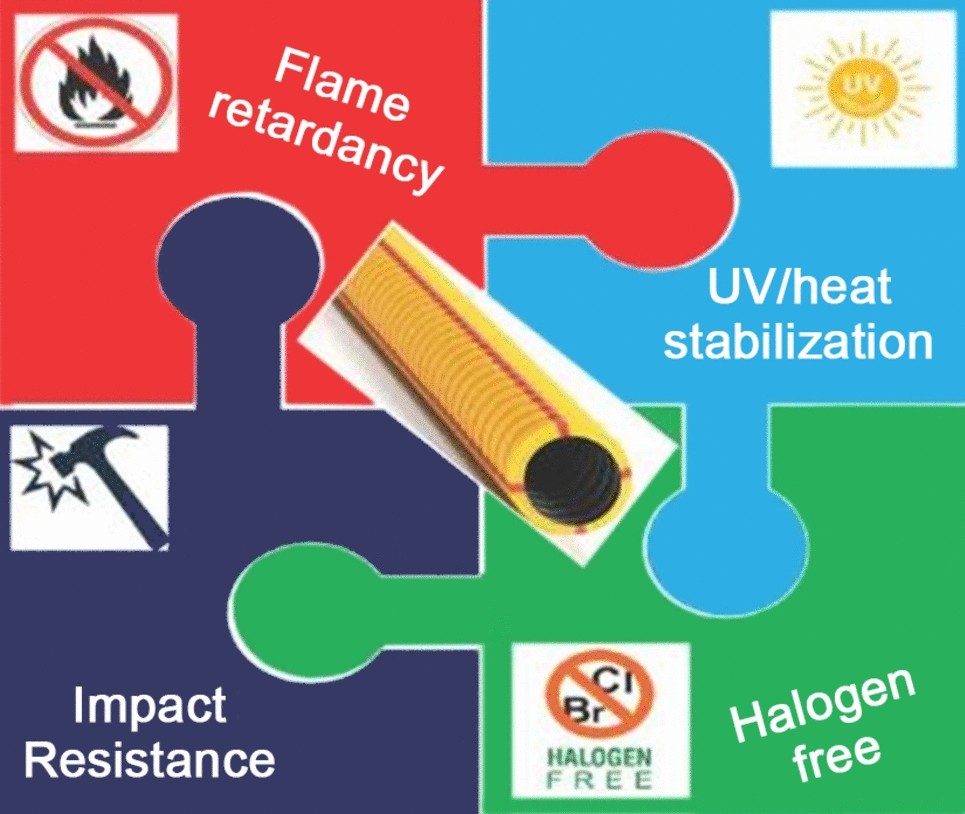
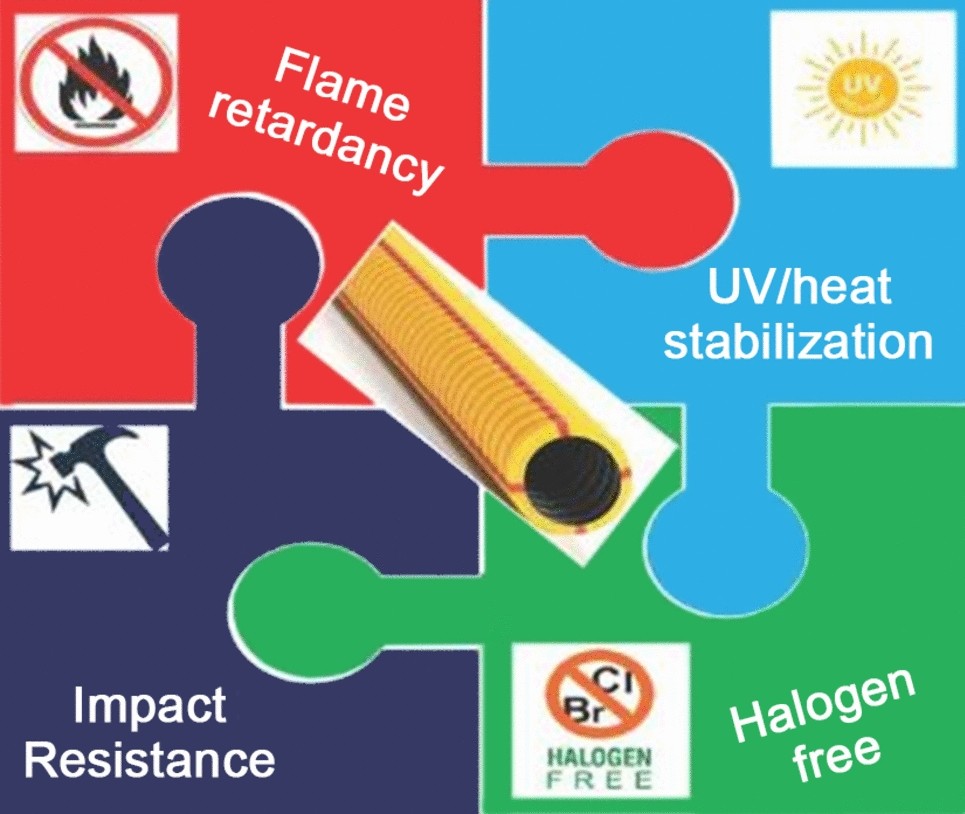
Look, everyone wants to pat themselves on the back for transitioning to halogen-free flame retardants right now. It looks fantastic on a corporate sustainability report. But anyone actually running an extrusion line knows it’s a massive headache.
When you swap out traditional halogens for alternative stabilizers, the melt flow usually goes completely haywire. Finding a reliable Aluminum Hypophosphite supplier isn’t just about ticking an eco-friendly regulatory box—it’s about keeping your polymer from turning into a brittle, outgassing mess at high temperatures.
And honestly, most procurement teams are flying blind here.
The Reality of Thermal Degradation
Most guys I talk to in the plastics sector are pulling their hair out over thermal stability. You buy a batch of additives from a generic broker, throw it into the hopper, and half the time it starts decomposing before it even clears the die.
Buyers tend to treat these complex compounds like they are just generic flour. They are not.
If the manufacturer leaves unreacted impurities or excess moisture in the batch, that additive is going to trigger early degradation in the polymer matrix. You end up with a finished thermoplastic that fails basic impact testing, all because purchasing wanted to save four cents a pound on raw materials.
Moisture Control Ruins Global Supply Lines
This gets even more complicated when you are dealing with hydrated compounds on a global scale. Take something like Sodium Hypophosphite monohydrate used in specialized stabilizing or catalytic applications. That “monohydrate” part is critical to the chemical structure.
If your transcontinental supply chain involves sticking drums in a humid shipping container sailing across the Pacific for six weeks, the moisture profile is going to shift. Period.
I’ve seen massive European and North American plants toss entire production runs because the raw material absorbed ambient moisture during transit, completely blowing out the reaction stoichiometry when it finally hit the mixer.
Vetting the Source, Not the Spec Sheet
You really have to look past the marketing PDFs and the perfectly formatted certificates of analysis.
Are your suppliers actually controlling the baseline synthesis, or are they just repacking bulk material in a warehouse? This is why serious industrial compounders end up partnering with an established manufacturer like Neemcco—they actually engineer their packaging and logistics to ensure the material survives international shipping without degrading the chemical baseline.
Stop buying these additives based on a 2% volume discount. The downtime from a clogged extruder or a failed UL-94 flammability test is going to wipe out those theoretical savings by Tuesday morning. Lock down your chemical inputs, verify how they handle international transit, and your floor managers might actually get to sleep through the night.