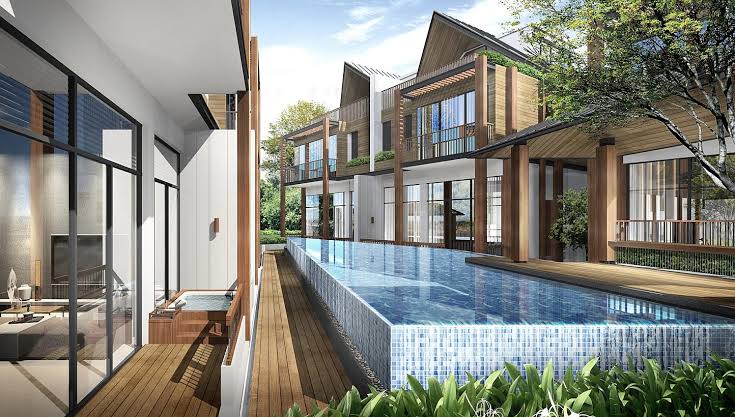
The Singapore property market presents prospective homeowners with a diverse spectrum of residential options, ranging from historic central enclaves to rapidly modernizing northern hubs. Selecting the right property requires a careful examination of lifestyle preferences, long-term spatial requirements, and daily transit patterns. By contrasting centrally located developments with master-planned northern communities, buyers can better understand how different neighborhood dynamics influence long-term living quality.
Evaluating Urban Proximity and Central-Fringe Dynamics
Living near the urban core provides distinct advantages for professionals whose daily schedules revolve around Singapore’s primary commercial and financial districts. Neighborhoods situated just outside the immediate downtown core offer the dual benefit of swift commuting times and an established urban fabric. For instance, residential enclaves positioned within the Farrer Park district, such as Dorset Gardens, place inhabitants within walking distance of vital mass rapid transit infrastructure.
This level of central proximity minimizes daily transit friction, allowing residents to seamlessly access employment centers, retail corridors, and cultural districts. Furthermore, mature urban neighborhoods benefit from decades of continuous development. Residents enjoy immediate access to an eclectic mix of traditional shophouse dining, established medical institutions, and comprehensive neighborhood retail. This environment particularly suits individuals and couples who thrive on urban energy, value short transit windows, and prefer an active, fast-paced daily routine.
Assessing Northern Growth and Regional Self-Sufficiency
In contrast, venturing toward Singapore’s northern sectors reveals a distinctly different residential character centered around regional scale and comprehensive self-sufficiency. Over the years, northern master-planned areas have evolved far beyond basic suburban housing estates into fully functioning micro-cities. These districts integrate extensive educational institutions, neighborhood parks, and massive community facilities designed to support multigenerational living.
Developments emerging in these northern precincts, such as Clovelle of Woodlands, tap directly into this mature regional infrastructure. Proximity to regional libraries, civic centers, and major medical hubs like the Woodlands Health Campus ensures that residents enjoy high levels of day-to-day convenience without needing to travel into the city center. For families and upgraders transitioning from public housing into private developments, these northern locales offer a balanced environment characterized by greener surroundings, wider open spaces, and a more relaxed neighborhood rhythm.
Spatial Planning and Functional Layouts
Beyond the macro-environment of the neighborhood, internal apartment design remains a critical determinant of long-term residential satisfaction. Floor plan configurations dictate how daily household activities flow and how efficiently space is utilized. Compact urban homes often prioritize vertical efficiency, clean architectural lines, and integrated storage, making them well-suited for single professionals or dynamic couples who spend the majority of their day outside.
Conversely, larger formats found in regional developments frequently provide more generous room dimensions, separate wet and dry kitchens, and dedicated yards. These spatial attributes accommodate growing families and multi-generational households that require private sanctuary spaces alongside expansive communal areas. Evaluating a property’s interior goes far beyond headline square footage figures; it requires a meticulous assessment of natural ventilation, structural layout efficiency, and how easily the rooms adapt to changing household needs over time.
Connectivity, Infrastructure, and Future Growth
Transportation networks and upcoming infrastructural enhancements heavily influence both daily convenience and long-term asset utility. Central-fringe properties benefit from deeply integrated rail systems and extensive bus networks that connect residents to multiple transit lines within minutes. This redundancy ensures that even if one rail line encounters a disruption, alternative commuting routes remain readily available.
At the same time, regional transformation initiatives continue to reshape outer sectors, introducing new business parks, cross-border rail connections, and enhanced cycling paths. These long-term enhancements elevate the live-work-play quotient of outer residential precincts. Buyers evaluating properties in either zone must look closely at how upcoming urban master plans align with their personal commuting habits and lifestyle aspirations.
Making a Confident Housing Decision
Ultimately, choosing between a central-fringe address and an established regional hub comes down to personal priorities and household requirements. Those who value maximum urban connectivity, short commutes to financial districts, and historic neighborhood charm will find central-adjacent options exceptionally appealing. Meanwhile, buyers who prioritize spacious floor plans, robust community amenities, and a greener, family-oriented environment will discover deep value in northern growth corridors. By carefully reviewing daily routines, space utilization, and long-term lifestyle goals, homeowners can select a property environment that truly supports their way of life.