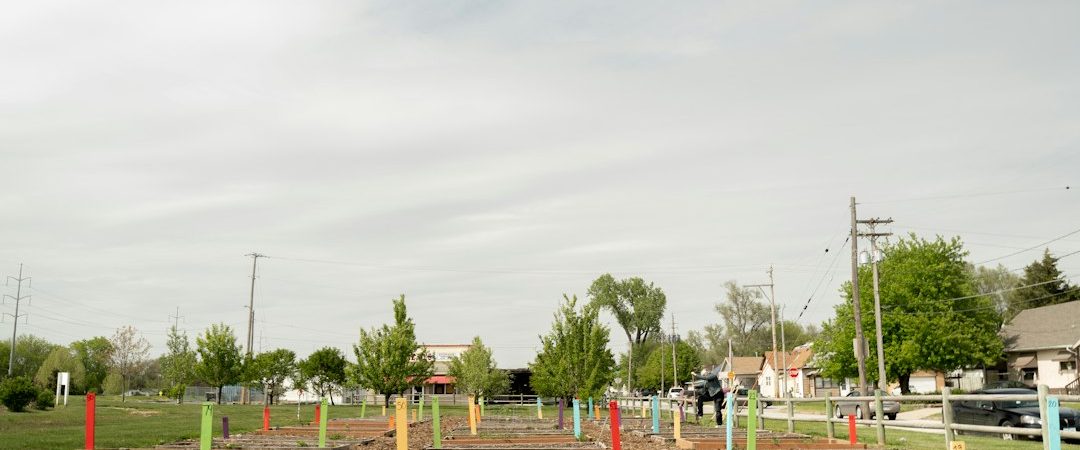
Why is community development an important part of volunteering?
Community development focuses on improving opportunities, strengthening local participation, and supporting initiatives that address shared challenges. In Costa Rica, community-based projects can introduce international visitors to educational activities, social initiatives, and local development priorities. Choosing to volunteer costa rica allows participants to experience everyday community life while contributing appropriate skills and assistance to projects guided by local organizations.
What community-focused volunteer opportunities are available?
Community volunteering can include educational support, cultural activities, youth engagement, and assistance with locally organized initiatives. Some projects encourage language learning, while others focus on creative activities, environmental awareness, or community participation.
The specific responsibilities depend on the organization’s objectives and the needs identified by local partners. Volunteers should always review project descriptions to understand their expected contributions and supervision arrangements.
How can volunteers contribute to educational initiatives?
Education is an important foundation for individual and community development. Volunteers may support learning activities, help prepare educational materials, or participate in supervised language practice.
These activities can create opportunities for cultural exchange and communication. However, volunteers should recognize that classroom responsibilities must remain appropriate to their experience and qualifications. Professional teaching duties should be handled by qualified educators.
What is the importance of cultural exchange?
Cultural exchange creates opportunities for people from different backgrounds to understand one another. Volunteers can learn about Costa Rican traditions, food, community values, and everyday lifestyles through respectful interactions.
Local residents also gain opportunities to share their perspectives and experiences. This mutual exchange encourages understanding rather than presenting volunteering as a one-sided process in which visitors simply provide assistance.
How should volunteers communicate with local residents?
Respectful communication begins with listening and remaining open to different viewpoints. Learning basic Spanish expressions can help volunteers participate more comfortably in everyday interactions.
Participants should avoid making assumptions about local traditions or community challenges. Asking thoughtful questions and following local guidance can help establish positive relationships.
Does volunteering help develop professional skills?
Community-based volunteering can encourage communication, teamwork, problem-solving, and adaptability. Participants may gain practical experience working with people from different backgrounds and responding to unfamiliar situations.
These skills can be valuable in educational, professional, and personal settings. However, the learning experience depends on the responsibilities assigned and the effort volunteers contribute.
What makes a community volunteer project successful?
Successful projects are built around clearly identified local needs, realistic expectations, and ongoing cooperation. Organizations should explain their objectives and provide appropriate supervision.
Volunteers should respect community leadership, maintain professional conduct, and complete agreed responsibilities. They should also understand that meaningful development takes time and cannot be measured through short-term visitor experiences alone.
Can volunteering create long-term connections?
Yes. Shared activities and respectful communication can create valuable relationships that continue beyond a volunteer placement. Participants may develop a deeper appreciation of community perspectives and become more aware of international development issues.
Costa Rica offers opportunities to experience community engagement in a meaningful way. By approaching each project with humility and commitment, volunteers can support local initiatives while gaining valuable cultural and personal insights.
Key Points
- Community development aims to improve opportunities and support local participation while addressing shared challenges.
- Volunteering in Costa Rica allows participants to experience community life and contribute to projects guided by local organizations.
- Community volunteering opportunities can include educational support, cultural activities, and youth engagement, tailored to local needs.
- Cultural exchange enables mutual understanding between volunteers and local residents, fostering respect and shared experiences.
- Effective communication with local residents requires respectful listening and learning basic Spanish expressions.
- Successful community volunteer projects depend on clearly identified local needs, ongoing cooperation, and respect for community leadership.