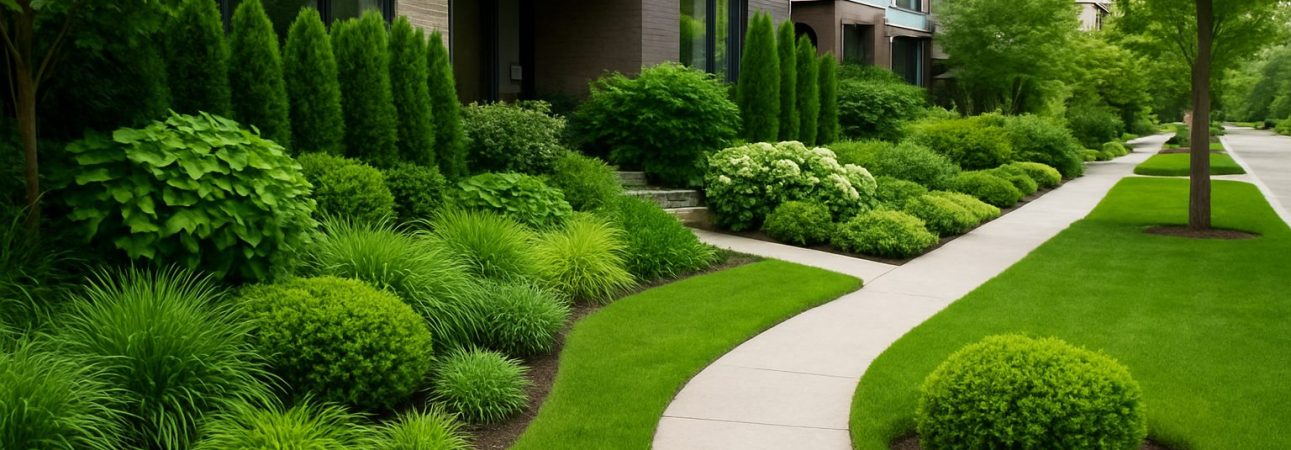
Landscape design plays an important role in shaping the character and comfort of residential developments in Singapore. Well-planned greenery, gardens, pathways, and outdoor spaces can make high-density living feel more inviting while providing residents with places to relax and connect with nature. For homebuyers, landscaping is more than a visual feature. It can influence how residents move through a development, use communal areas, spend time outdoors, and experience their surroundings throughout the day.
Table of Contents
- Bringing Nature Into Urban Residential Areas
- Creating Comfortable Outdoor Spaces
- Supporting Health and Well-Being
- Making Family Areas More Enjoyable
- Improving Movement Through the Development
- Adding Character to Residential Architecture
- Encouraging Community Interaction
- Considering Sustainability in Landscape Planning
- Looking Beyond the Development Boundary
- Choosing a Home With Outdoor Quality in Mind
Bringing Nature Into Urban Residential Areas
Singapore’s dense urban environment makes thoughtful landscaping particularly valuable. Trees, planting areas, gardens, and landscaped courtyards can introduce natural elements into residential developments while softening the appearance of buildings.
Green surroundings can also create visual variety between different parts of a development. Instead of relying entirely on hard surfaces and concrete structures, landscape features can provide a more comfortable atmosphere. The result is a residential environment that feels more welcoming while making better use of outdoor areas.
Creating Comfortable Outdoor Spaces
Effective landscape design considers how residents will actually use outdoor areas. Shaded seating, walking paths, lawns, and garden spaces can provide opportunities for relaxation, exercise, and informal social activities.
Shade is especially useful in Singapore’s warm climate. Trees and carefully positioned landscaping can make outdoor areas more comfortable during different parts of the day. When outdoor spaces are designed around real resident needs, they become functional extensions of the home rather than decorative features that receive little use.
Supporting Health and Well-Being
Access to attractive green spaces can encourage residents to spend more time outdoors. Walking through landscaped areas, exercising along pathways, or simply sitting in a garden can provide a change of environment from indoor routines.
These opportunities can support healthier lifestyles by making light physical activity easier to incorporate into everyday schedules. Outdoor spaces can also provide quieter areas where residents can relax after work or take a break from busy routines. Good landscape planning therefore contributes to both physical activity and everyday comfort.
Making Family Areas More Enjoyable
Families can benefit from residential landscaping that includes safe and accessible outdoor spaces. Gardens, lawns, playground surroundings, and open areas can give children opportunities to play and explore within a familiar environment.
Parents may also appreciate spaces where they can spend time with their children without leaving the development. Thoughtful planting and clear pathways can create an attractive setting while helping separate active areas from quieter zones. This balance makes shared outdoor environments more useful for households with different needs.
Improving Movement Through the Development
Landscape design can influence how residents move between different parts of a condominium. Clearly planned pathways can connect residential blocks, facilities, entrances, and outdoor areas while making journeys more pleasant.
Landscaping can also help guide movement without relying entirely on walls or barriers. Trees, planting beds, changes in paving, and seating areas can define different zones within a development. This creates a clearer sense of structure while maintaining an open and welcoming atmosphere.
Adding Character to Residential Architecture
Buildings and landscaping work together to define the visual identity of a residential development. Carefully selected plants, trees, water features, and outdoor materials can complement architectural forms and create distinctive spaces.
Developments such as The Serra Residences demonstrate why the relationship between architecture and landscaping can be an important part of contemporary residential design. A well-integrated landscape can soften building lines and create attractive spaces that residents can enjoy throughout the year.
Encouraging Community Interaction
Landscaped communal areas can also support social interaction. Gardens, outdoor lounges, seating areas, and open lawns provide natural locations where residents can meet casually.
These spaces can encourage neighbours to spend more time outside their individual units. Informal encounters may help residents become familiar with one another and contribute to a stronger community atmosphere. Good landscape design therefore has a social function as well as an environmental and aesthetic one.
Considering Sustainability in Landscape Planning
Modern landscape design increasingly considers water use, plant selection, biodiversity, and long-term maintenance. Choosing suitable vegetation can help create attractive green areas while keeping maintenance requirements manageable.
Sustainable landscaping may also support local environmental goals by providing habitats for wildlife and reducing unnecessary resource use. Features such as rain gardens, efficient irrigation systems, and appropriate planting choices can contribute to a more responsible residential environment.
Looking Beyond the Development Boundary
The landscape surrounding a condominium can be just as important as its internal gardens. Access to nearby parks, tree-lined streets, public green spaces, and recreational areas can expand the outdoor opportunities available to residents.
Projects like Dunearn Green show why buyers may consider the broader environment when assessing residential choices. A well-landscaped development can provide attractive private spaces, while nearby greenery can further enhance the overall living experience.
Choosing a Home With Outdoor Quality in Mind
Landscape design influences how residents experience a property from the moment they enter the development to the time they spend relaxing outdoors. Well-planned greenery can improve comfort, encourage activity, support family life, and create opportunities for community interaction.
Homebuyers should therefore look beyond the presence of plants and consider how landscaping is integrated into the overall design. The most successful residential landscapes combine beauty with practical use, creating outdoor environments that remain enjoyable, comfortable, and relevant throughout the years.
Key Points
- Landscape design significantly enhances the character and comfort of residential developments in Singapore by integrating greenery and outdoor spaces.
- Carefully planned landscaping can influence how residents navigate through a development and utilize communal areas, promoting outdoor activities.
- Access to appealing green spaces contributes to healthier lifestyles by encouraging outdoor activities and providing relaxation areas for residents.
- Effective landscape design prioritizes family-friendly features, creating safe and accessible outdoor spaces that cater to both children and adults.
- Landscaping plays a crucial role in defining the visual identity of a development, complementing architectural design and providing distinct communal spaces.
- Sustainable landscape planning considers factors like water use and biodiversity while enhancing the residential environment and supporting local wildlife.