Introduction
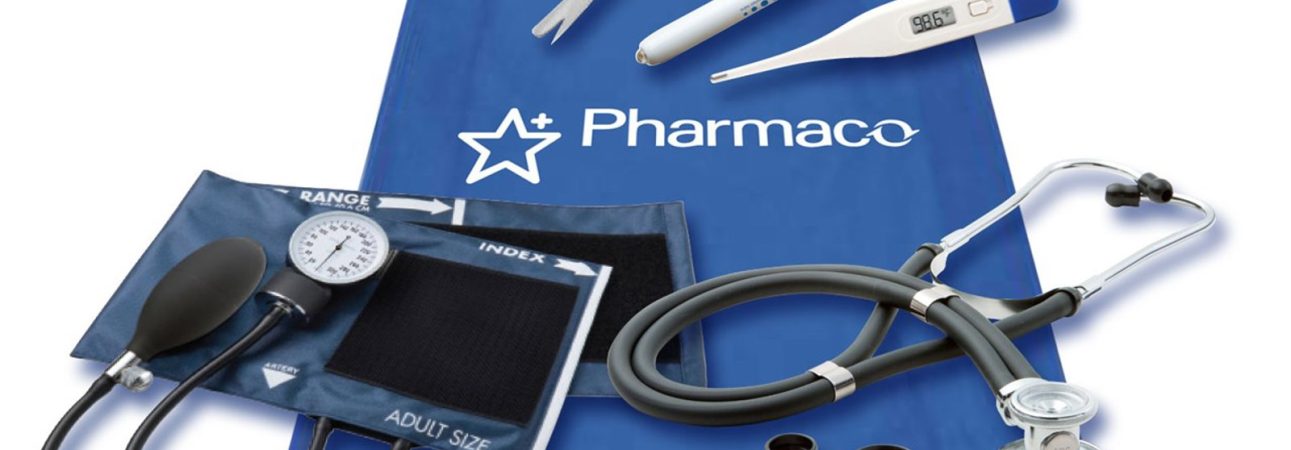
Large nursing programs often need to provide equipment and supplies for many students at the same time. Choosing the right nursing kits can make skills-lab preparation more organized, support consistent training, and help educators ensure that students have access to the supplies required for their coursework.
However, selecting nursing kits for a large program requires careful consideration of quality, contents, customization, storage, and overall usability.
Nursing Kits Choosing Tips
1. Assess the Program’s Training Requirements
The first step is to understand what students will need throughout their training. Nursing programs may cover a wide range of clinical skills, from basic patient care to medication administration and IV procedures.
Before ordering nursing kits, educators should consider:
Courses and curriculum:
Review the procedures and skills students are expected to learn during each course.
Student numbers:
Estimate the number of students who will require kits and plan for replacements when necessary.
Training levels:
Different cohorts may have different requirements depending on their stage of nursing education.
Clinical skills:
Identify the equipment students will regularly use during laboratory sessions.
A clear assessment can help prevent programs from purchasing unnecessary supplies while ensuring that essential items are included.
2. Look for Consistent Kit Contents
Consistency is particularly important for large nursing programs. Providing students with standardized kits means that learners can work with similar supplies during training.
Standardized kits can help:
- Create a consistent learning experience across classes.
- Make it easier for instructors to demonstrate procedures.
- Reduce confusion caused by different equipment.
- Simplify inventory management.
- Support repeatable skills-lab activities.
Programs should carefully review the contents of each kit to ensure that they align with current teaching requirements.
3. Consider Custom Nursing Kits
Pre-assembled kits can be convenient, but they may not always contain every item required by a specific nursing program. Custom nursing kits can provide greater flexibility by allowing educators to select supplies according to their curriculum.
Customization may be useful when a program needs:
- Specific medical supplies or equipment.
- Different quantities of individual items.
- Products for particular nursing courses.
- Branded packaging or labeling.
- A combination of supplies from different categories.
A customized approach can help large programs create kits that are better suited to their actual educational needs.
4. Evaluate Product Quality
Quality should remain a priority when selecting nursing kits. Students use these supplies repeatedly during hands-on training, so products should be suitable for educational use and appropriate for the procedures being taught.
Educators should consider the durability, usability, packaging, and specifications of individual products. They should also check whether disposable supplies are packaged appropriately and whether reusable items can be maintained according to recommended procedures.
5. Compare Costs Without Sacrificing Quality
Budget is another important consideration for large programs. Purchasing supplies in larger quantities may help programs manage costs, but price should not be the only deciding factor.
Educators should compare overall value by considering product quality, kit contents, customization options, durability, and replacement requirements. A slightly higher initial cost may be worthwhile if the kit better meets the program’s long-term training needs.
Conclusion
Choosing nursing kits for a large nursing program requires more than simply selecting a collection of medical supplies. Educators should consider curriculum requirements, standardization, customization, quality, storage, distribution, and budget. By evaluating these factors carefully, nursing programs can provide students with organized and appropriate resources for hands-on clinical skills training.